












What does it really take to build something of your own, especially when you are starting with almost nothing?
For Lembris, the answer didn’t come from a single moment. It developed over time through experience, exposure and a mindset shaped by his years at The School of St Jude.
Lembris’ journey at St Jude’s began in 2009 when he joined as a Form 1 student. He progressed through the years and completed Form 6 in 2016. Following graduation, he joined the Community Service Year (CSY), spending several months teaching at St Jude’s Upper Primary before completing the remainder of his community service at Suye Secondary School, a government school where he taught mathematics and physics. That transition from a well-resourced learning environment to a government school with limited resources gave him a completely new perspective.
It was there that he began to see the gaps clearly. He observed classrooms with limited teaching resources, students with different learning abilities receiving the same approach and an education system that often prioritised passing exams over genuine understanding. Reflecting on that period, he notes, “I was exposed to real classroom challenges, and over time, I realised there was an opportunity to create a learning environment that not only focuses on academic excellence but also nurtures creativity, discipline and critical thinking.”
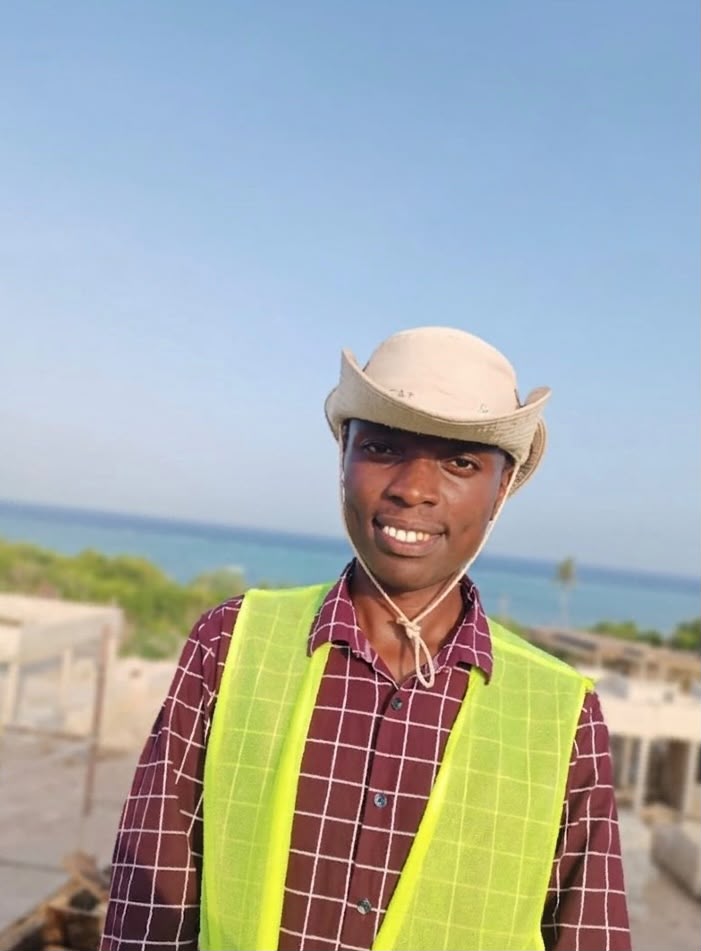
At that stage, it was still just an idea as he moved forward with his studies. In 2016, Lembris joined the College of Engineering and Technology at the University of Dar es Salaam, pursuing a Bachelor of Science in Civil Engineering. He graduated in 2020 and built a professional career in the construction industry. He currently works as a Project Engineer and has contributed to major projects in both Mainland Tanzania and Zanzibar, including the construction of the New Attitude Matemwe Beach Resort in Zanzibar.
But while his engineering career was progressing, the earlier experiences never left him.
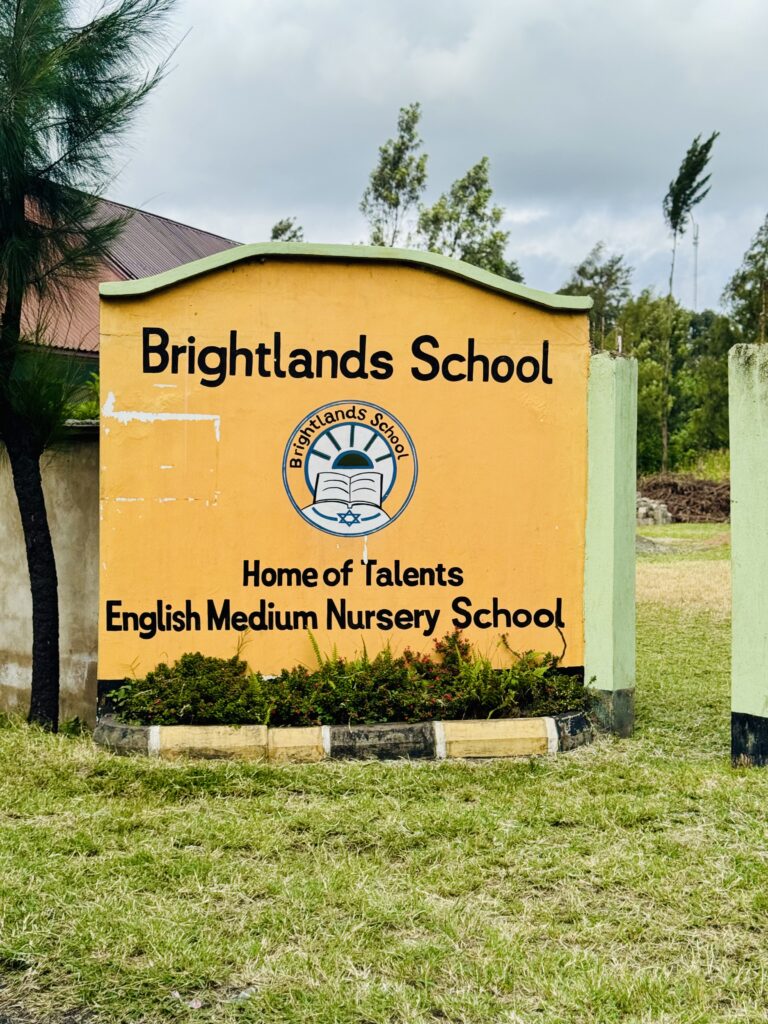
“The vision stayed with me even as I pursued my degree and later advanced in my professional career,” he explains. What began as an observation during CSY gradually evolved into something more intentional. That vision eventually became Bright Lands Primary School.
The decision to establish the school in Arusha was both strategic and personal. With a growing population and increasing demand for quality education, the city offered real potential for impact. At the same time, access to a 2.2-acre piece of land provided by his father helped turn the idea into reality.
He deliberately started small, focusing first on the fundamentals such as setting up classrooms, securing learning materials and creating a safe, structured environment for young learners. Alongside that, he engaged directly with the community, building trust with parents and clearly communicating what made Bright Lands different.
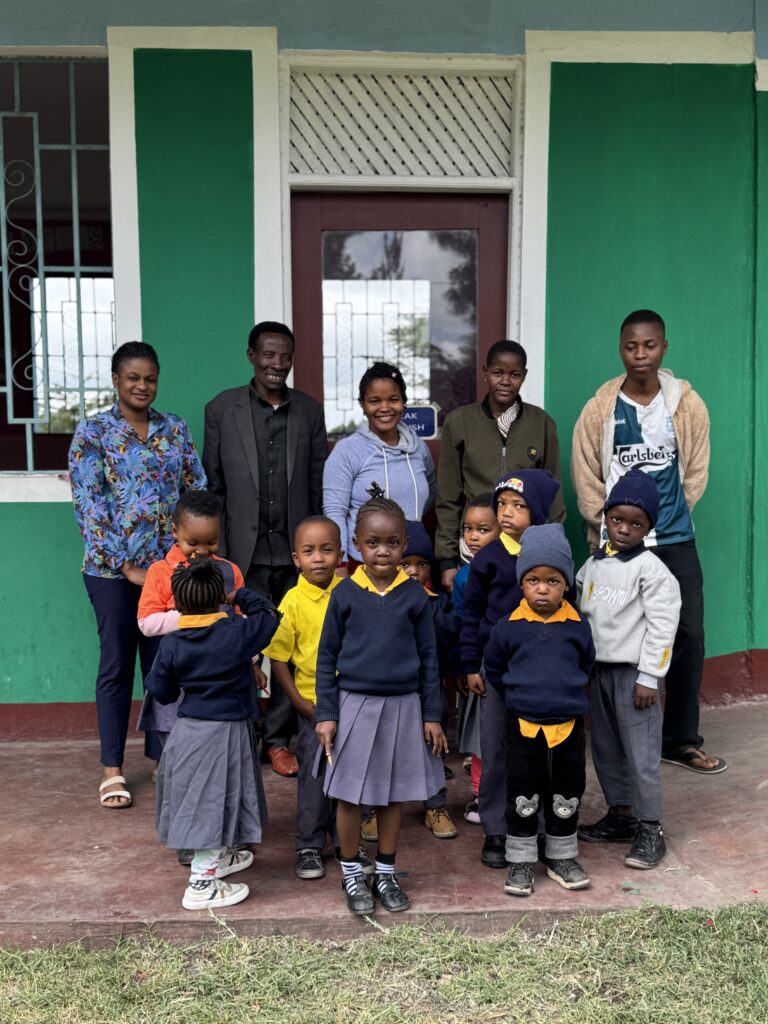
On opening day, there were just two students. Unlike many private schools, Bright Lands operates on a deliberately low-fee model, making quality education accessible to families who might otherwise be unable to afford private schooling. To bridge this gap further, two students are fully sponsored and pay no school fees. This approach reflects the broader challenge Lembris is addressing—how many Tanzanian families cannot afford quality private education despite the growing demand. Currently, the school has 50 students, including 22 girls and 28 boys. It’s a detail he doesn’t downplay. “Despite the modest beginning, this allowed us to focus on quality and build trust with parents,” he says. Since then, the school has grown steadily, supported by a small team that continues to expand alongside its reputation.
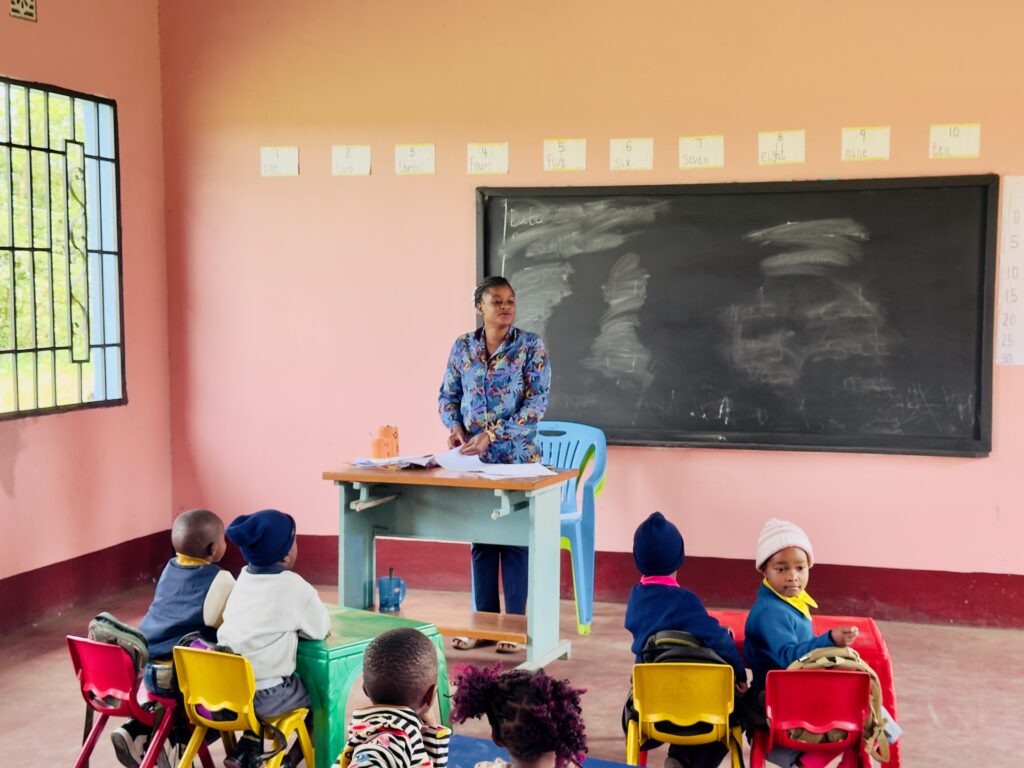
At its core, Bright Lands is designed to address the very challenges Lembris encountered during his CSY. The focus is not only on academic performance but also on helping students develop critical thinking, problem-solving skills and confidence. It also prioritises smaller learning environments, more engaging teaching methods and holistic development.
At its core, Bright Lands is designed to address the very challenges Lembris encountered during his CSY. The focus is not only on academic performance but also on helping students develop critical thinking, problem-solving skills and confidence. It also prioritises smaller learning environments, more engaging teaching methods and holistic development.
“My goal is to create a more balanced learning environment so students are not only prepared for exams, but also for real-life challenges,” he explains.
The influence of St Jude’s runs deep, as it’s embedded in his mindset. One moment, in particular, stands out. While still a student, Lembris came across a passage in the St Jude’s book that described how the school itself began from very humble beginnings.
“It showed that something great can begin from very small and humble beginnings,” he recalls. “The idea that you can start small, stay consistent and eventually build something impactful really stayed with me.”
That principle is now visible in how he runs Bright Lands: patient growth, disciplined execution and a long-term view of impact over quick success. It’s also reflected in the values he promotes within the school, such as discipline, responsibility, curiosity and confidence. These qualities mirror the St Jude’s spirit he experienced firsthand.
Financially, the journey has required resilience and strategy. In the early stages, Lembris relied heavily on his personal salary to build and sustain the school. As it grew, he established Roscom Engineering Group Company Limited, a construction and building materials supply company, creating a stronger financial foundation to support the school’s continued growth.
For current students and young Tanzanians, his message is direct and rooted in lived experience. “Don’t wait until everything is perfect. Start where you are, with what you have and stay consistent,” he says.
There’s nothing exaggerated about it. No shortcuts, no inflated milestones. Just a clear example of how values, when applied consistently over time, can turn a small beginning into something that matters.
For more impactful stories such as these, reach out via alumni@schoolofstjude.co.tz or call 0766200609
