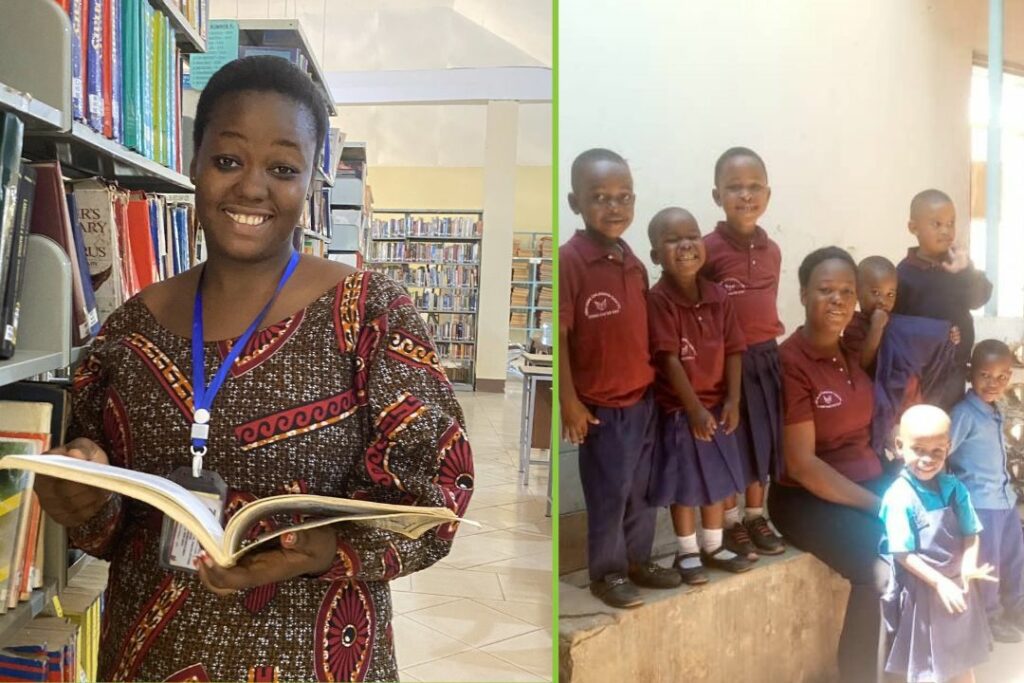
After more than 12 years at St Jude's, Tabitha was ready to embark on her next adventure – pursuing her dreams at university. So, in 2020, 22-year-old Tabitha travelled to Tabora, a town in central Tanzania, for her tertiary studies. But as she soon found, the transition wasn't easy.
"I have always been a big city girl," says Tabitha, who, until this time, had spent her entire life in Arusha, one of Tanzania's biggest cities and a vibrant tourist hub. "Tabora felt small and didn't resemble Arusha at all. My first impression of the place was a little underwhelming," she adds.
Nevertheless, Tabitha embraced the change. Later, she realised that the town's rural, remote setting was the perfect place to put her skills and knowledge to good use.
"In retrospect, Tabora was exactly where I needed to be to make the change I wanted to see," reflects Tabitha. "I've always been passionate about helping special groups within the community; specifically those denied access because of their disabilities."
In just three years, Tabitha went from a novice university student in a new town to an inspiration in the community. She established a reputable nursery and daycare centre that caters to children under the age of seven, including those with disabilities and learning challenges.
"It all started from a deep desire to help children in need, especially those with disabilities," reflects Tabitha. "I noticed that these children were not being taken to school because their parents felt as though they were wasting money. So, I figured there needs to be a daycare in the community where these parents could see their children thriving as much as the other children that go to school," she adds passionately.
Her business started in 2022 with just five students. Tabitha's resolve to make the centre a vibrant and special place for children made it stand out. Her innovative approach to childcare and education, including the use of interactive games, movies, and songs, began making waves in the community. By the end of 2023, the number of children had risen to 20, 10 of whom had already progressed to primary school.
"My best highlight is seeing my students grow in character and academically," says Tabitha proudly. "Students from the centre not only continue to thrive in their primary schools, but they are also setting the bar for academic performance and good behaviour," she adds.
In Tanzania, there persists a negative attitude towards individuals with disabilities, resulting in parents often hiding their children from public view. This deprives them of education and opportunities to socialise with their peers. Tabitha's mission is to bridge this gap and extend educational opportunities to more children with disabilities.
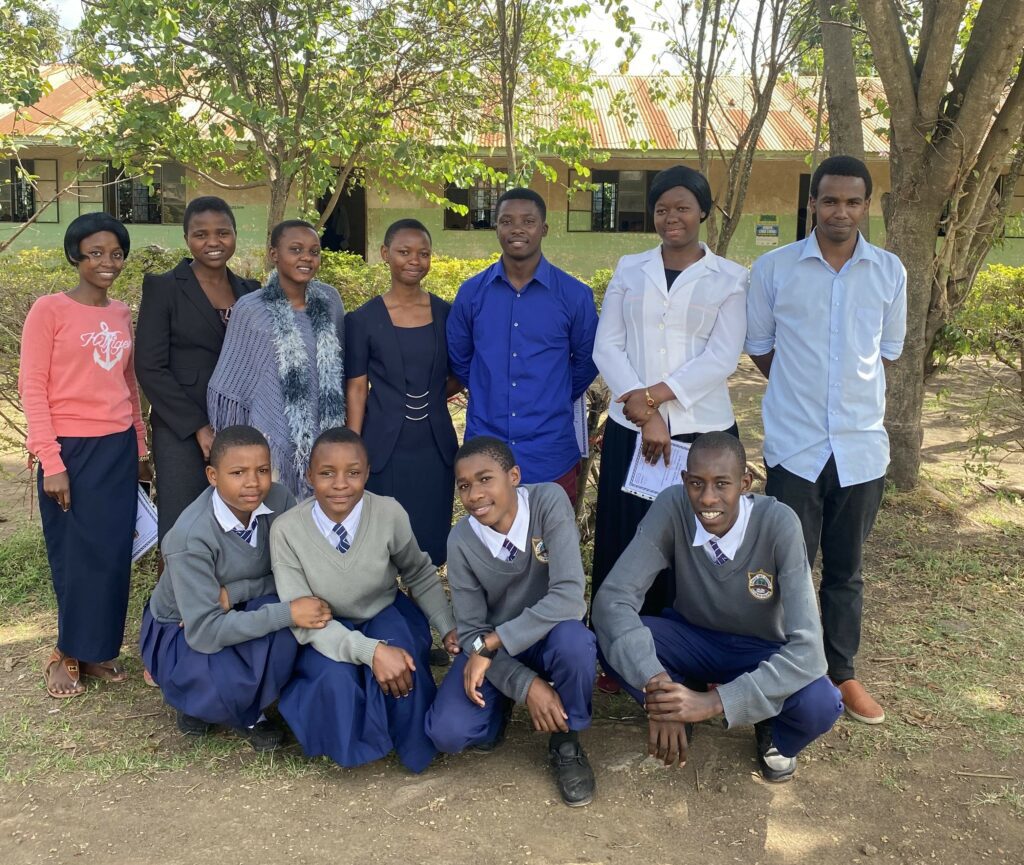
"It's not always easy to convince parents to take their children with disabilities to school," says Tabitha. "But when they see children with similar circumstances at the centre happy and flourishing academically, it becomes easier to break down some of those negative notions associated with them," she adds.
Tabitha is currently in her final year of university, pursuing a Bachelor's degree in Education in Special Needs. She is one of the many alumni from St Jude's putting her skills to good use and impacting the community. Tabitha hopes to use her education to continue breaking down barriers and make education accessible to all children.
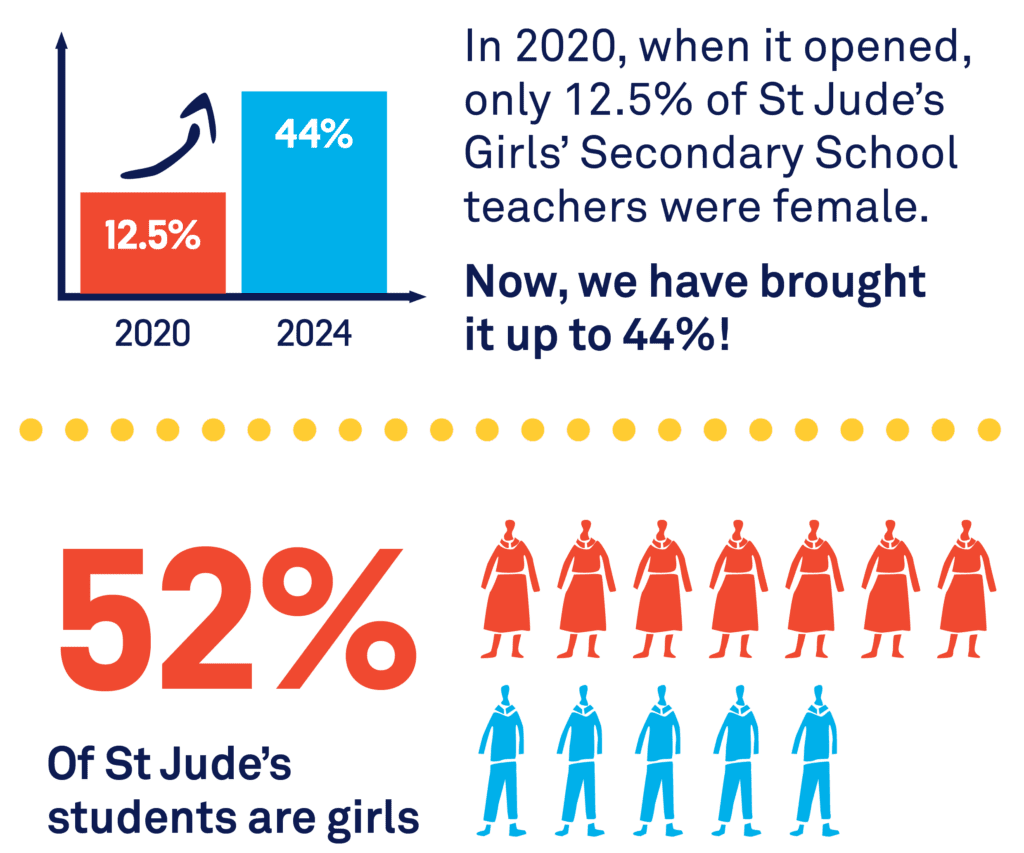
St Jude's firmly upholds the principle of equal opportunity for all, regardless of tribe, family, or gender, in accessing education, resources, and opportunities. Over the years the school has taken intentional steps to create a supportive environment where women and girls can thrive and impact their communities.
First a quick note of the school system here in Tanzania; there are seven years of primary school from Standard 1 to 7, then four years of secondary school called Ordinary Level (O Level) from Form 1 to 4, and then the final two years of secondary school called Advanced Level (A Level), Form 5 and 6.
One of the most enduring cultures at St Jude’s is the spirit of compassion and helping those in need. Throughout the year, students and staff support the community in various ways.
“Every other weekend, our students are out volunteering at an orphanage, cleaning the marketplace, or sharing their skills and knowledge with students from neighbouring schools,” says Focus, a staff and mentor of Interact Club at the school.
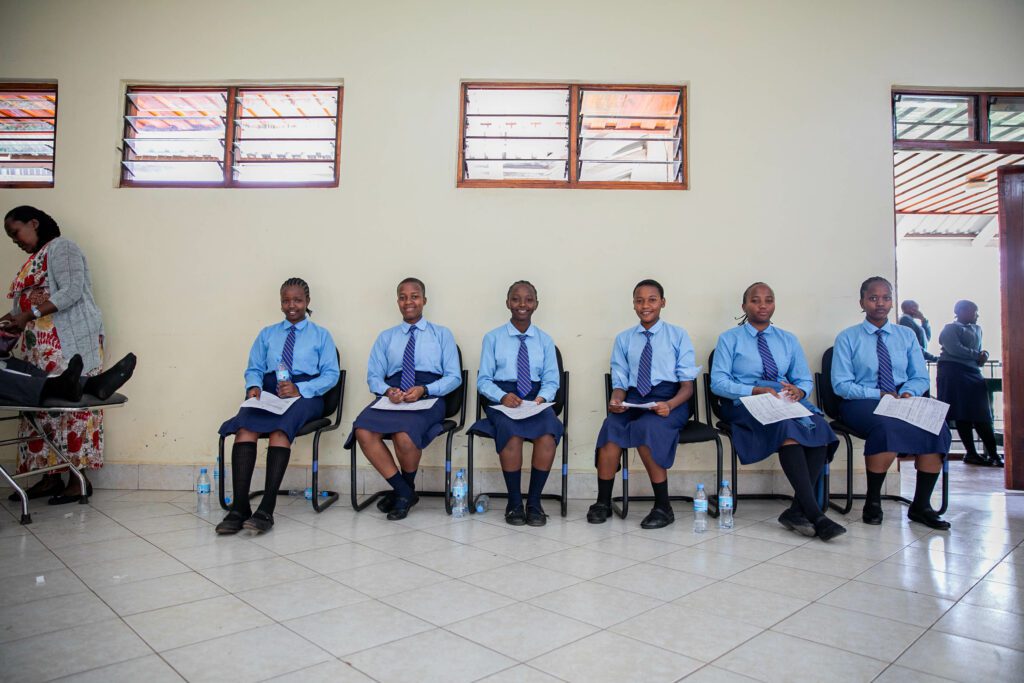
This year, St Jude’s launched another impactful initiative to support the community, particularly patients in need of blood transfusion. In March, the school introduced a bi-annual blood donation drive for eligible staff and students to voluntarily participate.
“We saw the need to step in and help local hospitals around our communities replenish their blood banks,” says Irene, who helped organise a recent blood drive at St Jude’s. “From medical emergencies and accidents, to supporting mothers during childbirths, our hospitals could always use the extra blood units,” she adds.
The first round saw 81 volunteers, including students at St Jude’s Girls’ Secondary School and staff participate in the blood drive. The turnout was so good that it earned St Jude’s special recognition from Arusha’s largest referral hospital as the biggest blood donation drive by a single institution in its history.
“It was a pleasant surprise,” says Irene excitedly. “We only had a few weeks to organise the drive and had initially estimated the blood drive to only take a few hours. In the end, it lasted the entire day! It was wonderful to see the St Jude’s community coming together once again in support of such an impactful program,” she adds.
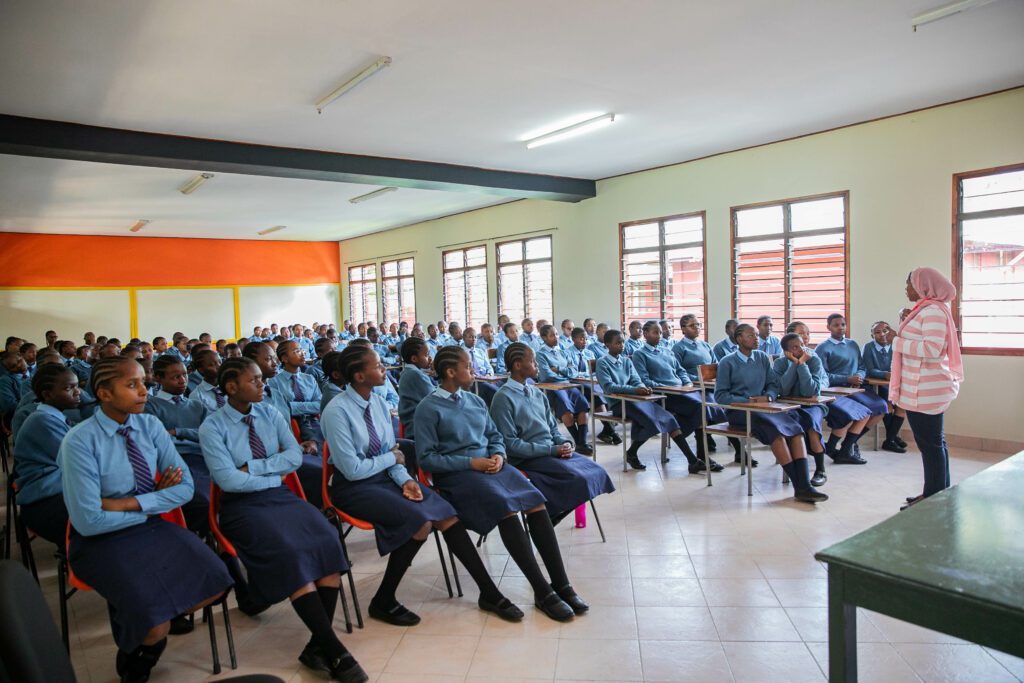
The blood donation drive was a collaborative effort between St Jude's welfare and academic teams, with support from Arusha's biggest referral hospital.
"We wanted to ensure that the drive was organised efficiently," says Irene. “The hospital helped organise an information session for our students and staff ahead of the drive and the school arranged a special lunch for everyone who donated their blood,” she adds.
Fatuma, one of the talented hosts of our monthly podcast, was one of the 63 students at St Jude’s Girls’ Secondary School who participated in the blood drive. Beyond the podcast, she is an incredible athlete aspiring to become a P.E. teacher and understands the importance of donating blood in saving lives.
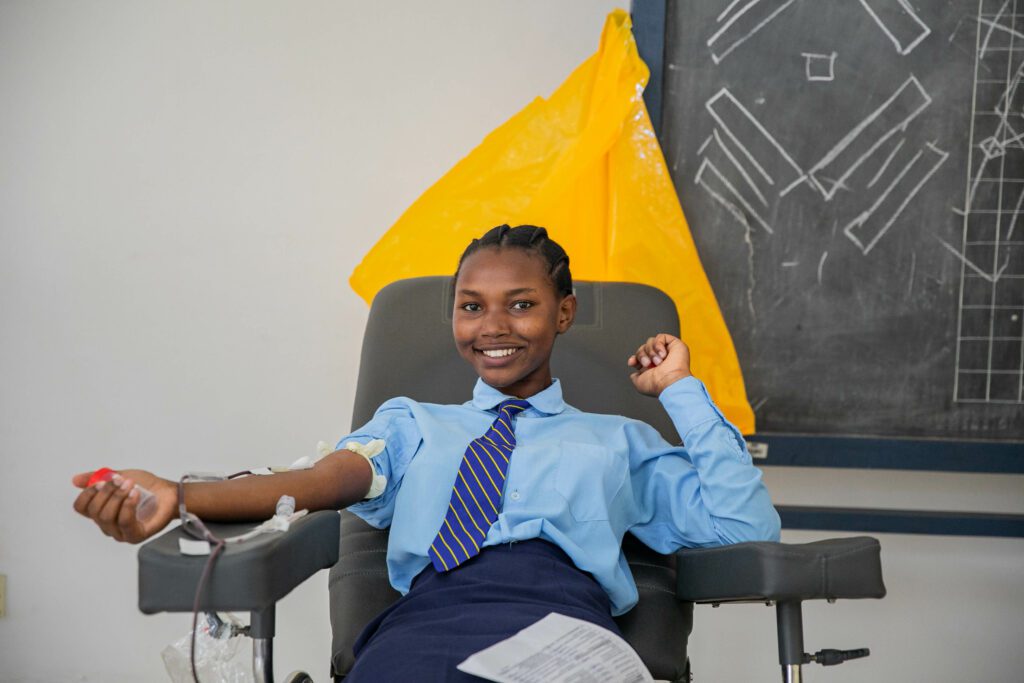
“I first learned from my sister, who is a nurse, that blood can be used to help people, particularly mothers during childbirth,” says Fatuma. “So when this opportunity arrived, I immediately volunteered,” she adds excitedly.
It’s also quite fitting that the record-setting blood drive happened at St Jude’s Girls’ Secondary School during a month dedicated to celebrating women. Soon, St Jude’s will conduct another blood drive at Smith Campus and continue supporting local hospitals with extra blood. It’s part of a new tradition at St Jude’s where students and staff unite to save lives.
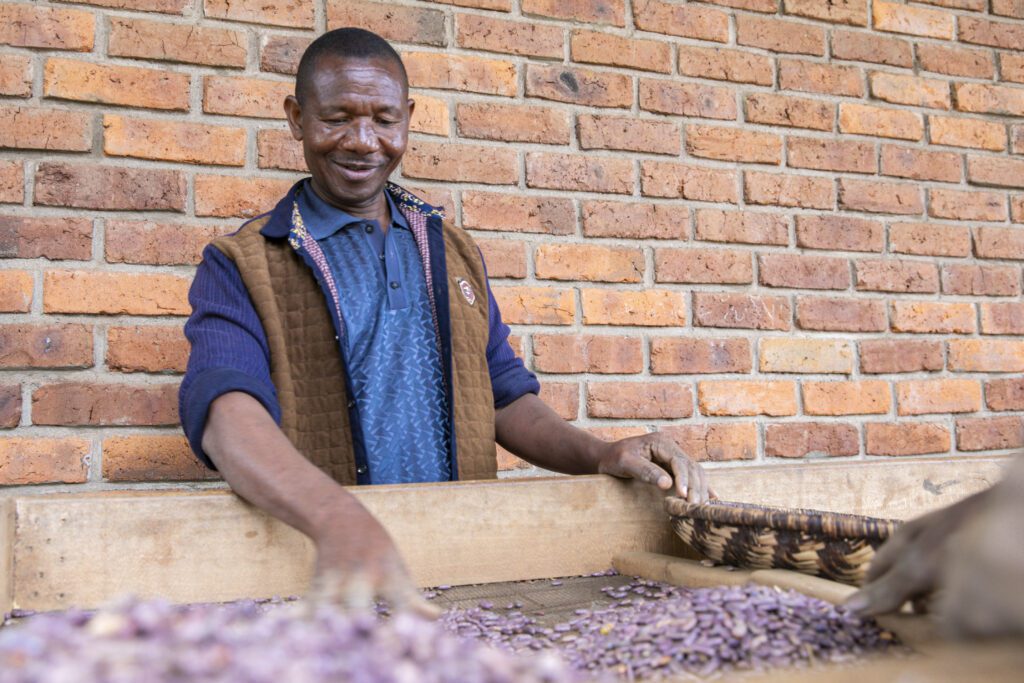
There are many reasons why The School of St Jude is a success story, including its extended community of parents and guardians.
Shabani is one of the dedicated parents who serve as an exemplary role model. He has dedicated his time by volunteering in the school's kitchen for the past five years.
Shabani, whose child, Farida, is a student at St Jude’s Primary School in Class 7A, believes that volunteering is a meaningful way to express gratitude to the school for providing free education to his daughter.
"Volunteering in the kitchen to prepare meals is one way we thank the school for providing free education for our children. It is a way of collaborating with the school and staff in providing meals for every student," he shares.
Shabani and fellow parents highlight the invaluable impact of collaborative efforts between parents and the school. Their unwavering dedication in the kitchen and on the farm has ignited a spark within students, propelling them towards similar endeavours that cultivate self-reliance and entrepreneurship.
"We want to show the way for our children, empowering them to embrace responsibility, nurture their skills, and create a thriving community rooted in shared values," says Shabani.
Parents like Shabani who embrace the spirit of giving encourage students to learn the valuable lesson of giving back to the school and the wider community... cultivating a culture of gratitude and philanthropy at St Jude's.
Inspiration
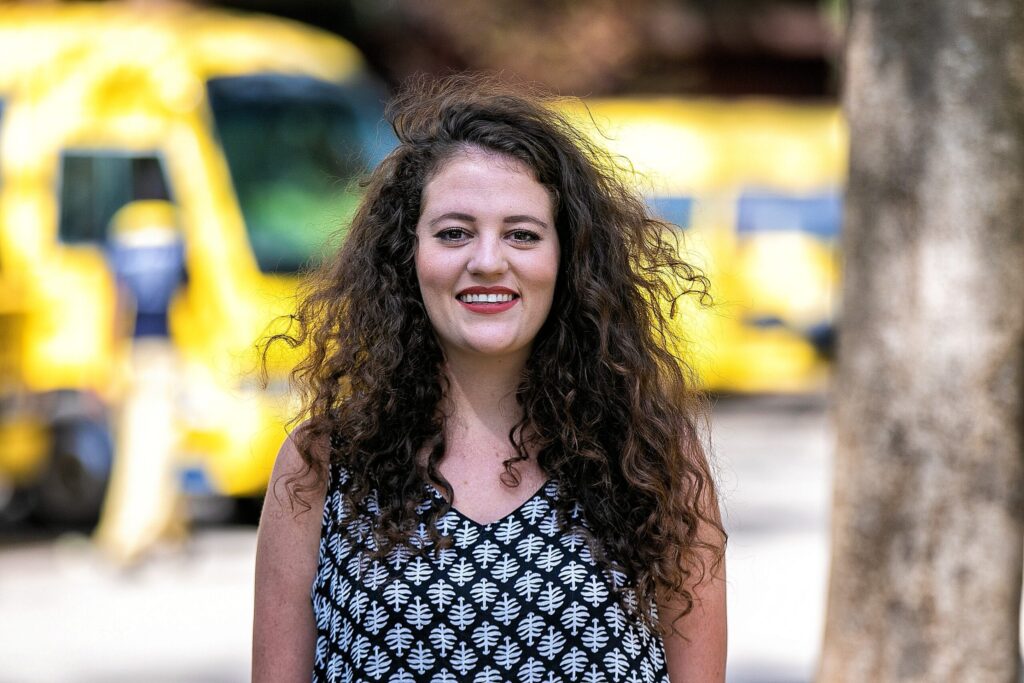
Madeleine was inspired to become a writer by her father, John Kelly, who is a published poet. Her childhood memories include her parents reading her and her siblings classic authors like Charles Dickens and C.S Lewis before bed.
First Impression
Madeleine first heard about The School of St Jude from her teacher when she was 16 years old. The teacher showed the class an episode of the Australian Story about St Jude’s which marked the beginning of Madeleine's interest in the school.
Start of a six-year adventure
Madeleine arrived at St Jude’s in 2017 shortly after completing her university studies and ended up spending the next six years of her life at the school. She took on several roles in the Marketing department, Alumni Office, and later as a Communication and Editorial Specialist.
Start of the book project
Gemma approached Madeleine with the idea of writing a book in 2021 after supporters suggested the idea during a recent Australian Tour. Madeleine felt “nervous” at first but honoured that she could be trusted with such a magnificent story.
The writing process
Madeleine wrote the entire book while living in Tanzania at the school. She would dedicate the early morning hours to writing and the afternoons to interviewing people and editing her work.
The writing experience
Madeleine spent many hours interviewing St Jude’s stakeholders from all walks of life. She describes connecting with people from around the world who share something special about St Jude’s as a humbling and incredible experience.
A fun fact
Madeleine has a twin sister who barely looks like her!
The start of the year is usually a busy time at The School of St Jude. Students are fresh from the holidays and eager to start the new academic year on a high. Yet amid personal ambitions and academic goals, one thing is important to keep in mind.
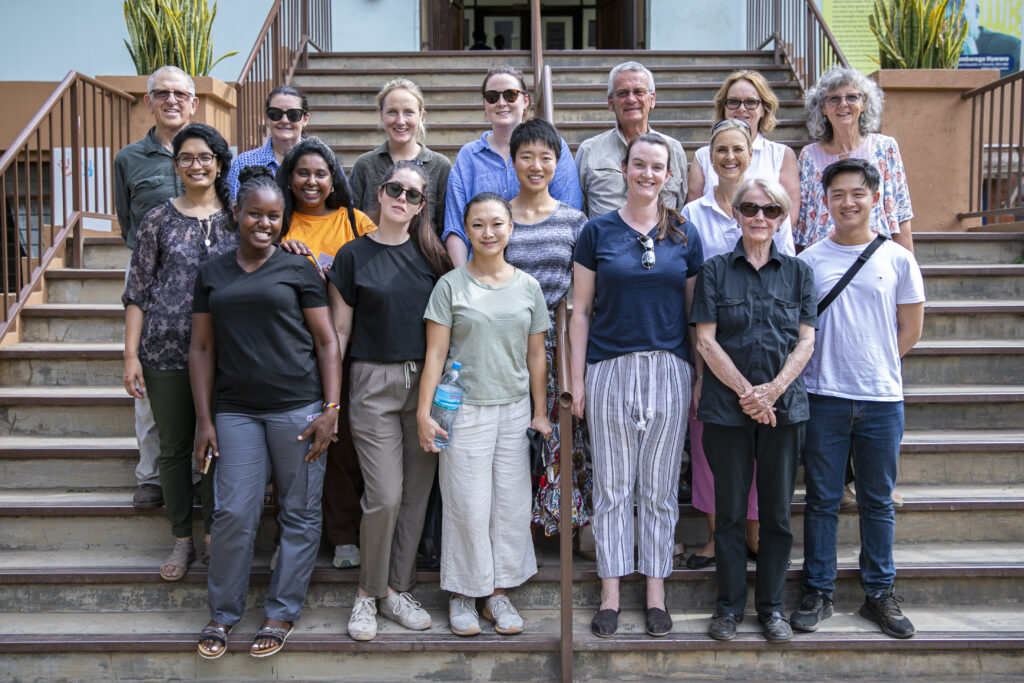
“A successful academic year requires healthy students,” says Jane, the leader of the Health Check team at St Jude’s. In Australia, Jane is a busy physiotherapist and brings these specialist skills to the team.
This February, Jane arrived as part of a team of 21 international and local health care professionals to conduct health checks on St Jude’s students. Under Jane’s leadership, this team assessed 1,800 primary and secondary school students, running tests and providing recommendations.
“A health check consists of a variety of tests that enable us to assess students’ overall health in relation to academic capabilities,” says Jane. “The tests include malnutrition, vision and hearing, height and weight, and many others. We also have a well-being team that works closely with staff to develop strategies that improve students’ well-being such as mental health, counselling, and other well-being issues,” she adds.
Based on the tests, Jane and her team make recommendations on any actions that should be taken to improve a students’ health, and make referrals for any health issues that should followed up on by the school and the students’ families at local hospitals. Recommendations may involve simple alterations such as a diet change and reading glasses, to hospital referrals for more serious issues.
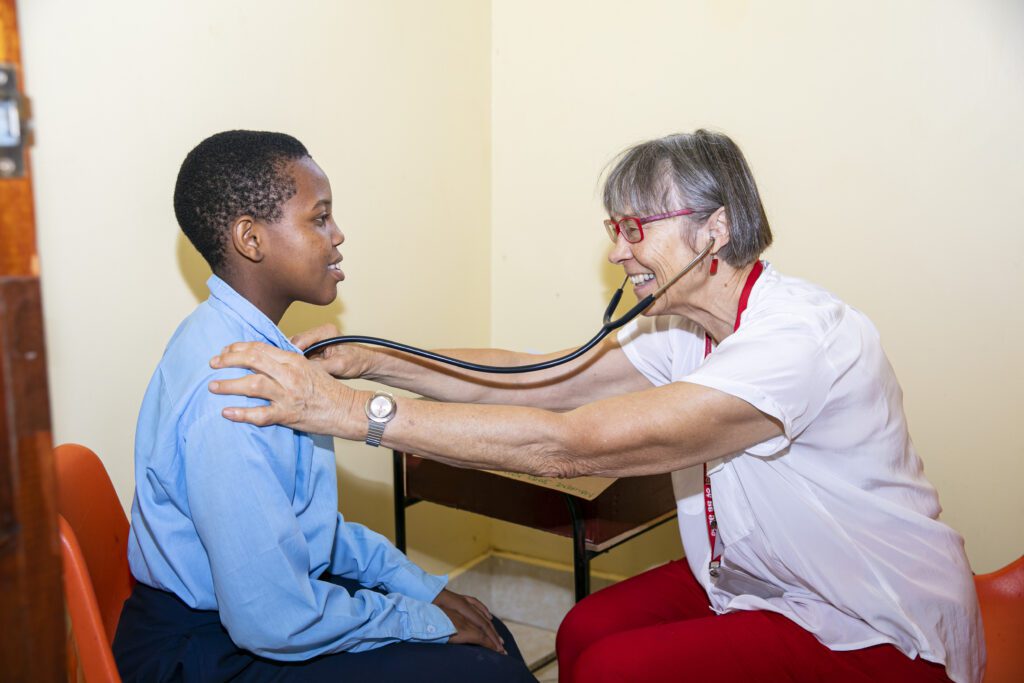
The health checks typically happen once every year, usually around February. Jane joined the program for the first time in 2015 and has since taken a leadership role.
“This year’s health check is much busier than the previous ones,” reflects Jane. “Due to travel restrictions, we couldn’t organise health checks in the previous two years. This year, we had an astounding 700 new students at the school who had never done a full health check before! So, we had to be very thorough with our assessments,” she explains.
Along with Jane is Dr Philip, a General Practitioner from Armidale, New South Wales, Australia. Like Jane, Dr Philip is a regular health check volunteer since joining the health check program in 2017.
“I first heard about St Jude’s from Gemma at an event in Armidale,” Dr Philip recalls. “When I heard of the opportunity to volunteer in a medical capacity, I quickly jumped aboard and have enjoyed it ever since,” he adds with a smile.
Dr Philip believes academic excellence is best achieved when students are in their best physical, mental, and emotional health. Being a regular volunteer of the Health Check team grants him the opportunity to optimise students’ academic excellence in a special way.
“Having been on the team for several years now,” says Dr Philip, “students would usually remember me, and I would recognise some familiar faces every time. The best part of my experience is to see the joy in students when we tell them they are fine and healthy,” he adds.
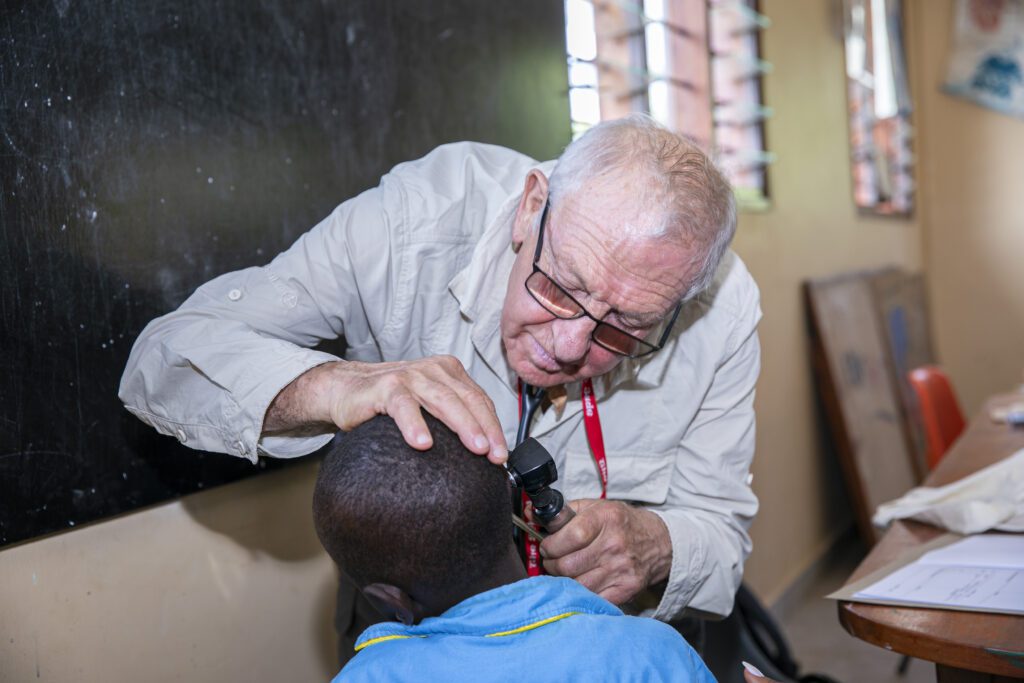
Although the Health Check team has historically consisted of a diverse team of international volunteers, this year saw a pleasant surprise. For the first time, a St Jude’s alum, Dr Hosiana, joined this special team.
“I had just completed my doctoral internship year when I saw an advert from St Jude’s asking medical professionals to volunteer for the health checks,” recalls Dr Hosiana, a St Jude’s alum who graduated from secondary school in 2015 after 13 years at the school and is now a practising doctor. “I naturally applied,” she adds excitedly.
Hosiana’s dreams of becoming a doctor stemmed from her experiences as a child. She grew up in a small village with a single health officer who was also looking after other nearby villages. Desperate to help, she resolved to study hard and become a doctor herself.
“My hard work paid off and I was awarded a scholarship to St Jude’s!” recalls Hosiana. “Things only got better after that, the plenty of resources and teachers at the school only reinforced my ambition,” she adds.
Hosiana looks back on the health checks as one of many things at St Jude’s that reinforced her ambition to study medicine.
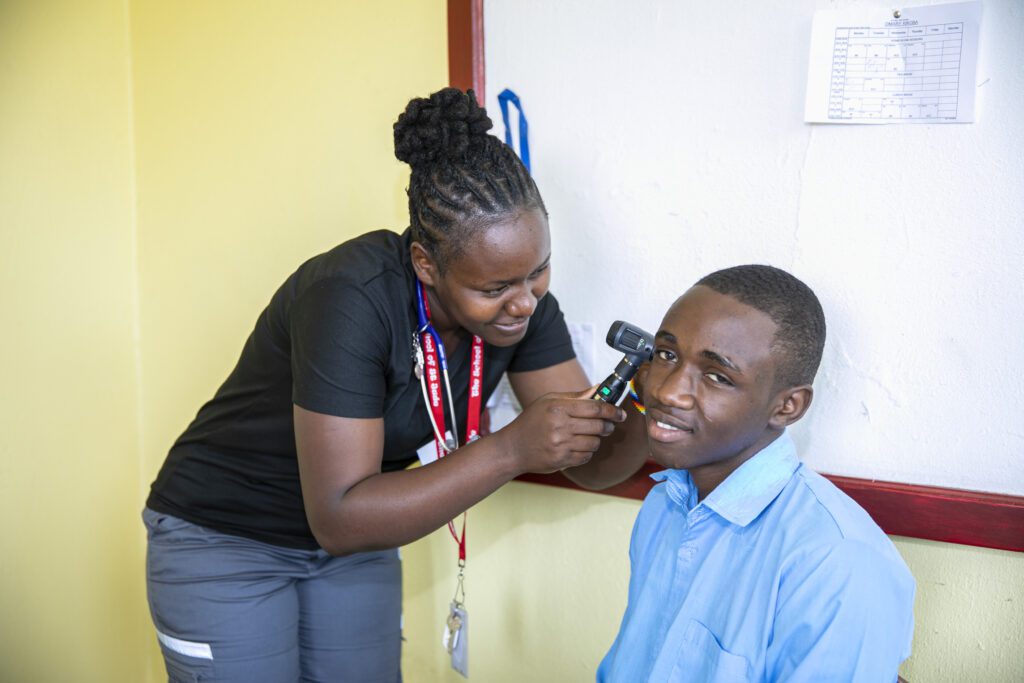
“I would usually have plenty of questions for the doctors,” recalls Dr Hosiana with a smile. “This time I also met some curious students with ambitions of being a doctor. They reminded me so much of myself,” she adds.
Along with Jane is Dr Victor who is also volunteering for the first time in the health checks. Victor was part of a team that carried out eye examinations for students.
“Students spend quite a lot of time studying,” says Victor. “So regular vision checks are very important,” he adds.
Victor’s favourite part of the experience was interacting with students and sharing his experience.
“We’d usually have a few minutes to chat with students at the end of the tests. It was rewarding to answer all their questions and listen to their experiences,” explains Victor.
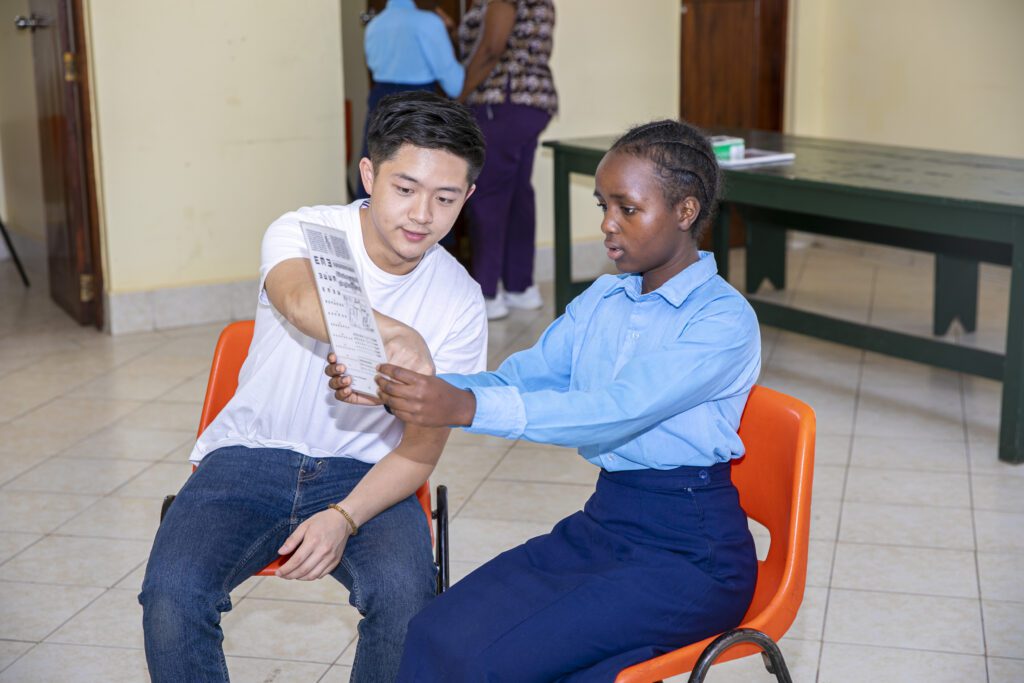
This is the fourteenth year that a team of international doctors and health professionals has volunteered for two weeks at The School of St Jude to perform free health check-ups for all students. After travel restrictions in recent years, it’s wonderful to see the Health Check team has risen to the challenge and successfully ensured 1,800 students are all off to a healthy start for 2023!