Blue and yellow ribbons adorned Smith Campus this month as 188 students, alongside parents, staff and visitors gathered to celebrate the 12th Form 6 graduation ceremony.
Set against the backdrop of traditional dance, music and food, the ceremony marked the culmination of years of hard work and growth, bringing the St Jude’s community together for a memorable day of celebration.
Speaking on behalf of the graduating Class of 2026, Form 6 graduate Allan described his cohort as the “Architects of Impact,” a generation determined not only to dream big, but to actively create meaningful change in their communities.
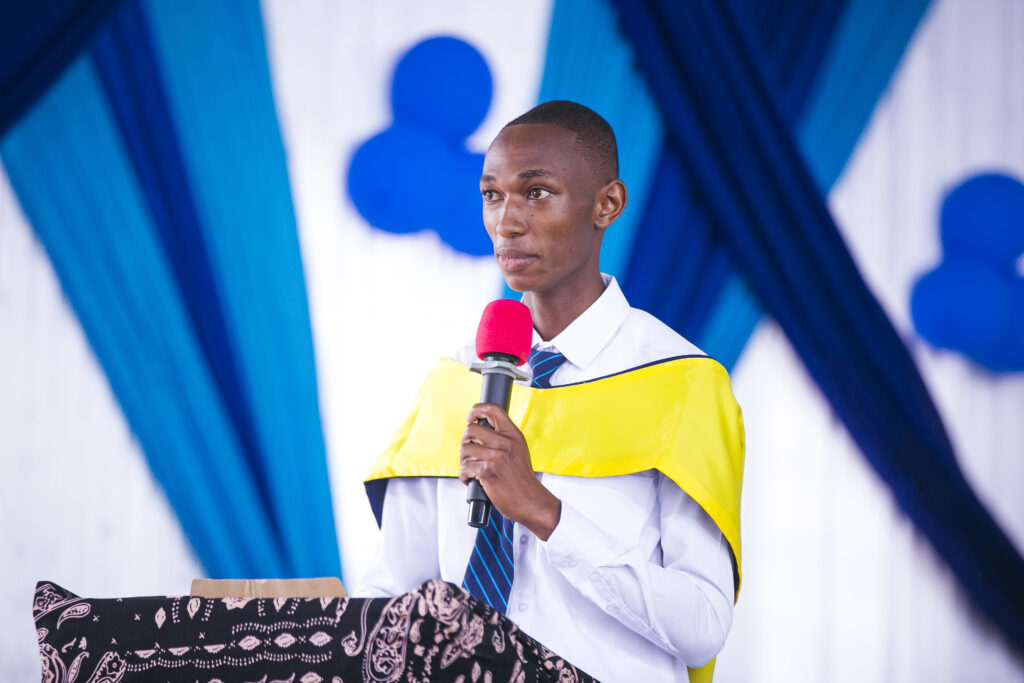
“We are not a generation that simply passes through the world; we are a generation that redesigns it,” he says.
“As the Architects of Impact, we make this promise today: to live lives of significance, lead with integrity and continually seek to add value to the world around us. We step into this new chapter not with fear but with the courage and confidence of those who know exactly who they are and whose they are.”
He also reflected on the class’ achievements, highlighting their fourth-place ranking in the 2025 zonal Form Six mock examinations as well as being crowned the 2025 Tanzania National Debate Champions.
Beyond academics, Allan noted their success in UMISSETA (a national competition bringing together secondary students to compete in sports, arts and cultural activities) with six students progressing to the national stage.
The ceremony also featured speeches from Laurel, President of the American Friends of The School of St Jude (AFSJ), who spoke on behalf of international sponsors. She reminded students of the significance of the milestone and encouraged graduates to carry forward the values of St Jude’s: Kindness, Responsibility, Honesty and Respect.
Also taking to the stage was AFSJ Vice President, Pat, who spoke on behalf of Founder Gemma Sisia and Rotary International. She reflected on the long-standing support of Rotarians across Australia and the United States, from the construction of the school’s earliest classrooms to the installation of essential infrastructure such as water systems. Her speech served as a reminder of both how far the school has come and the community that helped make moments like this possible.

That sense of community was echoed in the speech of St Jude’s alumni representative, Anna (Class of 2015).
It’s been eleven years since Anna stood proudly in her own graduation gown as part of St Jude’ s first every graduating class. Returning to the stage, she encouraged students to embrace the alumni network they are now joining – a community spread across Tanzania and beyond, ready to offer guidance, mentorship and support as graduates navigate their next chapter.
Anna herself is an example of that continued connection to the school community. She now supports the education of Carin, a Standard 1 student at St Jude’s, reflecting the cycle of opportunity and giving back that continues long after graduation.
She reminded the Class of 2026 that while their time at St Jude’s may have come to an end, they would always remain part of a larger family united by a shared purpose: creating positive change in their communities and beyond.
As the celebrations came to a close, the ceremony marked not just the end of one chapter, but the beginning of many new journeys, with the Class of 2026 stepping forward ready to leave their mark on their country and community.
As Allan put it: “We should always remember that, sometimes, goodbyes are not endings but doorways to new adventures. Tanzania awaits the contributions of this generation and Africa is ready to embrace our impact. We leave St Jude’s today, but we carry its purpose with us forever.”
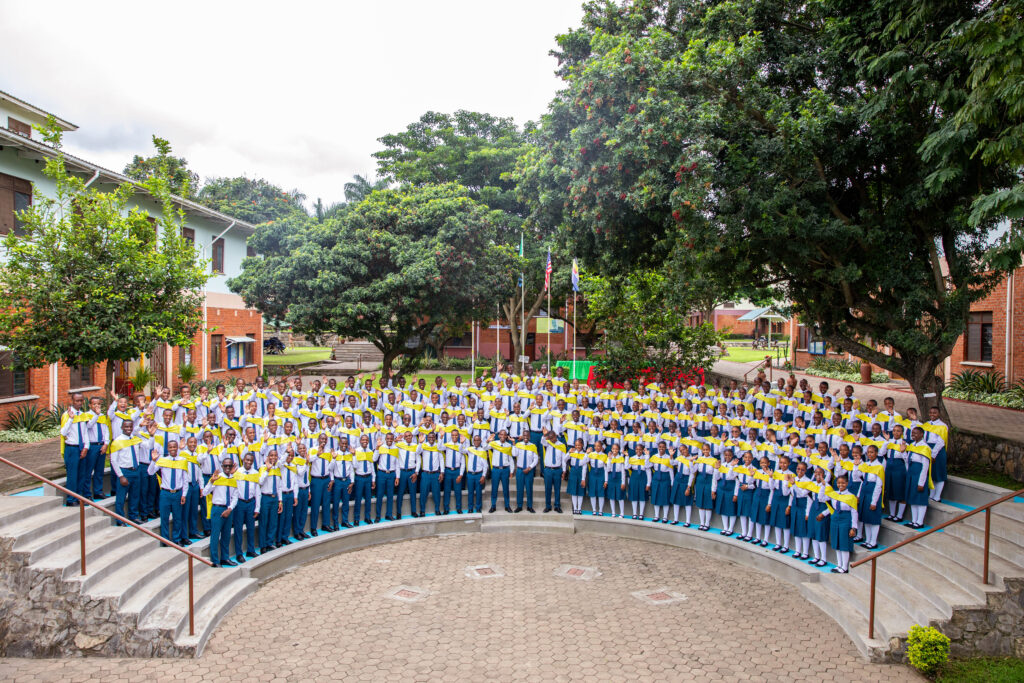
Future doctors, engineers, nurses and entrepreneurs. These were just some of the aspirations echoing around Smith Campus this month as students, sponsors and invited guests came together for one of the most anticipated events on the school calendar: the 11th Form 6 Graduation.
The graduation marks a key milestone in the Tanzanian education system, which is divided into three main stages: seven years of primary school (Standard 1 to 7), four years of secondary school at the Ordinary Level (Forms 1 to 4), and two years of Advanced Level secondary education (Forms 5 and 6).
The School of St Jude hosts three graduation ceremonies annually, corresponding to these three main levels, along with a special celebration for alumni completing tertiary education.
This year, 166 students proudly crossed the stage, bringing the total number of Form 6 graduates to 1,500+ since the first class in 2015.
Attendees enjoyed vibrant cultural performances by current students, tributes to dedicated staff members and reflections on the achievements of the Class of 2025.
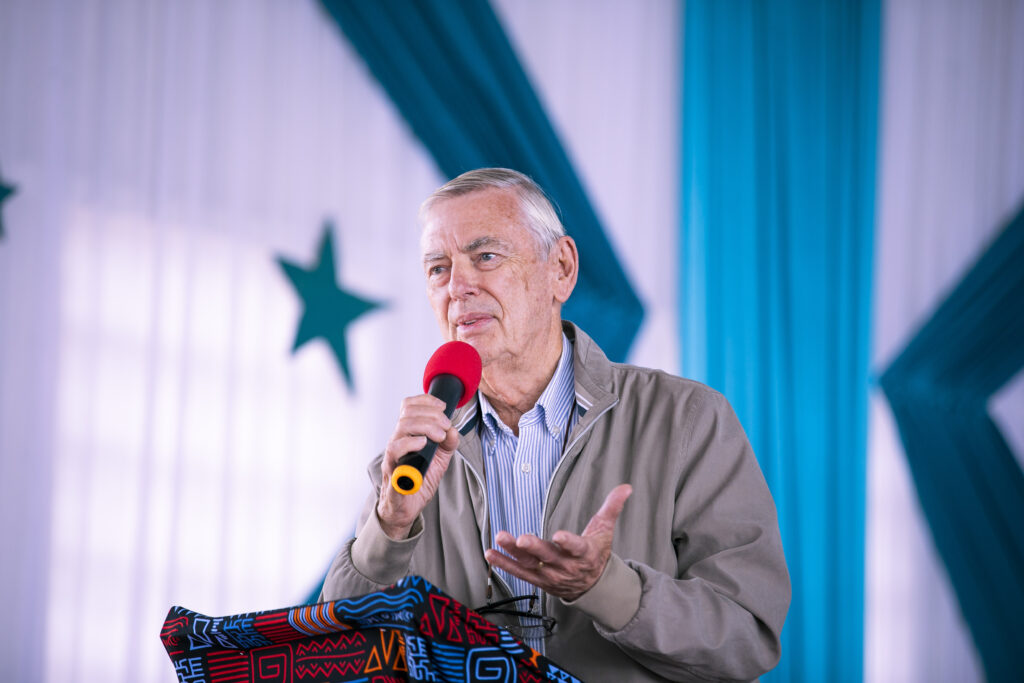
A special highlight of the ceremony was a joint address by Angela Bailey, who was St Jude’s first volunteer teacher when the school opened in 2002, and her father, John Bailey, a long-time supporter, current board member and the school’s legal counsel since 1997. He sponsored the scholarship of one of this year’s graduating class.
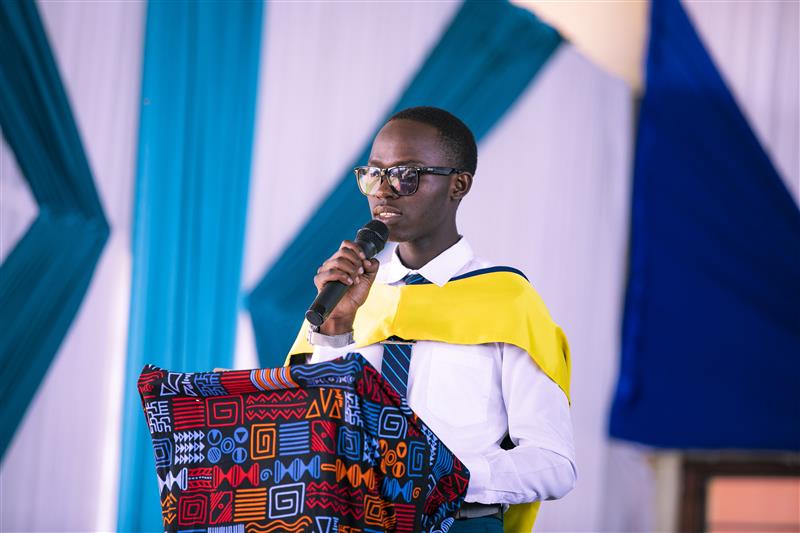
“Life can take you to places you never imagined existed. To our sponsors and donors, we cannot say how much your support has helped us achieve our ambitions. We are grateful,” says Nickson, Form 6 graduate, in his farewell speech on graduation day.
“Our teachers, thank you for all the endless effort that you made towards our performance. Our parents, you have always been our pillars of strength. Thank you for seeing the light that sparkled in us.”
The Class of 2025 had much to be proud of, excelling in various extracurricular activities, particularly debate and public speaking.
Notably, graduate Mwajabu Hoya earned national recognition after winning gold and being named Tanzania’s best public speaker at the National Debate Championships. The school’s debate team also celebrated a major win, earning the title of Best Debate Team in East Africa in 2024.
In another milestone, the Class of 2025 became the first in St Jude’s history to receive personal laptops earlier this year, a significant step in supporting their future academic and professional pursuits.
The next stage for graduates is pursuing higher education at various universities and colleges. Many choose to apply to the Beyond St Jude’s Scholarship Program (BSJSP), which supports graduates with tertiary education.
As part of this program, they will undertake community service placements for a year, volunteering as teachers in understaffed government schools, or at various placements throughout St Jude's. Then they go on to access higher education supported by St Jude’s sponsors and donors.
Through the holistic education offered at St Jude’s, the Class of 2025 has been able to reimagine a future filled with endless possibilities – for themselves, their communities and their country.
St Jude's has always been a place where young minds are nurtured and bold ideas are born. However, turning a passion into a sustainable business is no easy task - it requires practical skills, mentorship, and the right kind of support. To help bridge this gap, the school recently launched the Next Frontier Incubator and Small Grants Program, designed to help alumni transform their entrepreneurial dreams into reality.
The 20-week program, which kicked off in January, offers 25 alumni the opportunity to develop essential business skills through expert mentorship, tailored resources, and hands-on training in critical areas such as business planning, financial management, goal-setting, and legal compliance.
Program Specialist Neema explained that the initiative was established to help alumni with innovative business ideas transform them into successful ventures and build a strong foundation for long-term growth.
“We found that many alumni had incredible ideas but didn't know the next steps. They were caught between creative development and the practical aspects of business management. This program helps bridge that gap by offering the resources needed to turn these ideas into a viable business,” Neema says.
The inaugural group includes ideas from a range of industries, including art, manufacturing, construction, and transport. They each submitted a business proposal detailing their vision, goals, and the challenges their businesses aim to address, which formed the basis of their admission to the program.
“Many of these ideas aim to solve real-world problems and make a positive impact on people and the planet. Some are startups that, despite winning awards, are facing challenges in scaling, while others are still in the early stages of development and getting their ideas off the ground. The cohort meets twice a week for expert-led sessions and assignments to help them refine their goals, develop their mission statements, and map out their next steps,” Neema says.
At the end of the program, the students will pitch their ideas to an external panel of experts who will assess their business models, scalability, and community impact. Successful pitches will receive grant funding up to US$5,000 to support key areas such as product development and marketing.
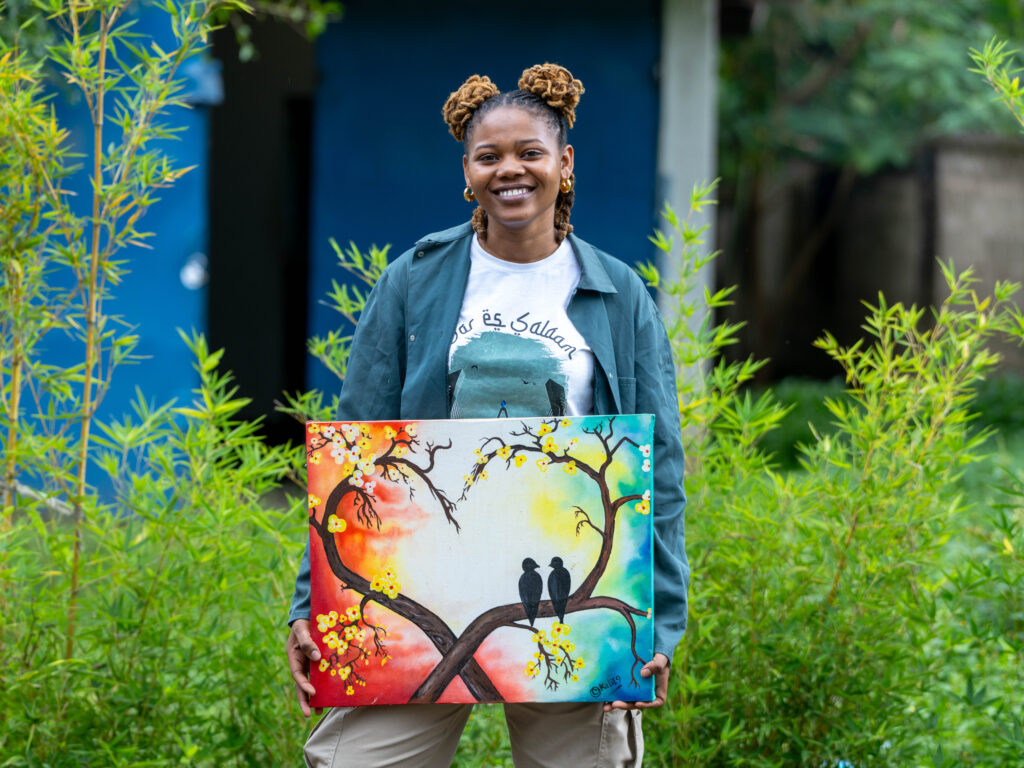
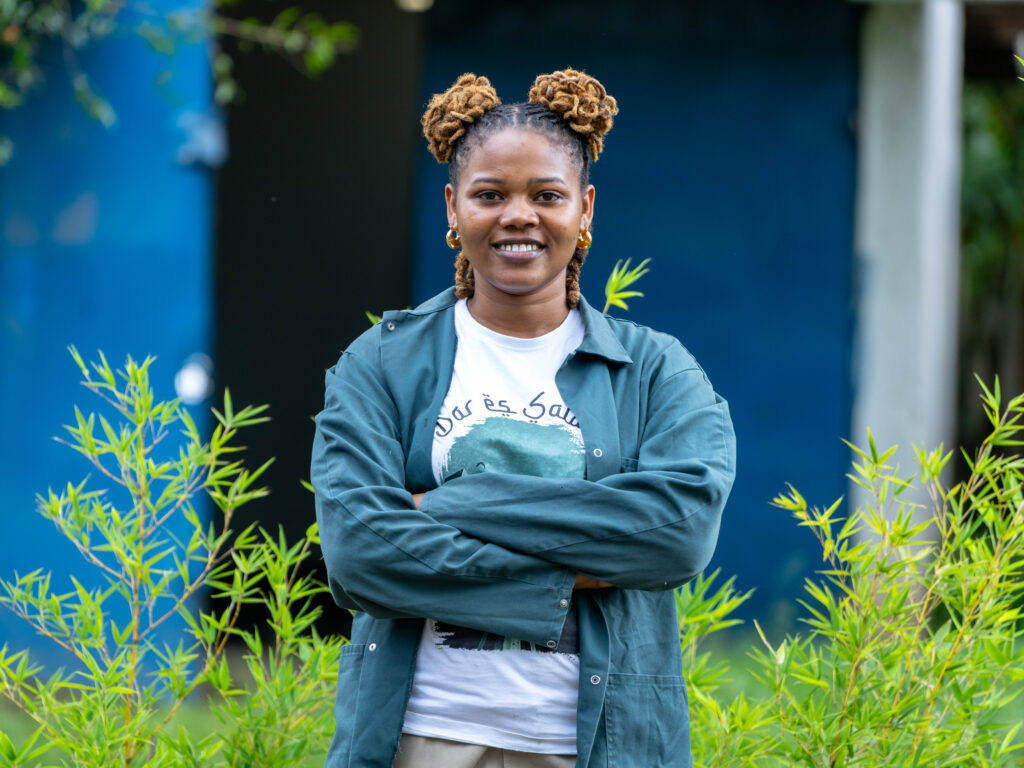
One alum, Queen, Class of 2021, said she jumped at the opportunity to be part of the program. After studying art and design in Dar es Salaam, she founded The Kids Hub, an art workshop offering creative classes in painting, jewellery making, and digital art for children and young adults in Arusha.
“I've always had a passion for art, and I wanted to create a space where young people could explore their creativity,” says Queen, who has a studio in the centre of Arusha where she runs her classes.
“Art is often overlooked in schools, so I wanted to provide a space where kids could develop their skills, express themselves, and sell their work. We've already held two classes, and the response has been incredible.”
Queen's ultimate goal is to expand The Kids Hub into a larger space where people of all ages can learn and appreciate art - a goal she feels is within reach thanks to the insights gained from the program.
“The Next Frontier Incubator and Small Grants Program has been a real eye-opener. It's hands-on and practical, and the sessions have given me so many tools to improve my business. I've learned how to manage stress, scale my business, and navigate the financial side. It's a complete package that has really set me up for success,” says Queen.
“I'm also learning so much from my fellow participants, as we all exchange advice and insights. My goal is to run regular classes and continue to grow the business, and by the end of this program, I'm confident I'll be able to achieve that.”
In addition to supporting the entrepreneurial endeavours of alumni, St Jude's has also launched a Pre-Incubator Program for current high school students. This extracurricular club serves as a stepping stone into the Next Frontier Incubator and Small Grants Program, offering students the chance to explore entrepreneurship as a potential career path from an early age.
“The Pre-Incubator Program provides students with the tools and support they need to develop their ideas and prepare for the full incubator program if they wish to pursue it professionally after graduation,” Neema explains.
“By introducing entrepreneurship at the high school level, we're encouraging students to see it as a viable career path, and empowering them to become innovators, problem-solvers, and leaders both within their communities and beyond.”